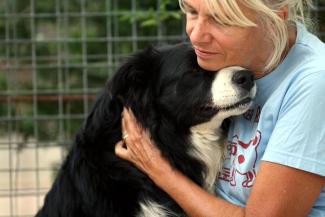
Every year, many dogs are sadly abandoned by their owners and end up in various types of shelters. Thankfully, there are people willing to take the step of adopting a dog, which we always recommend. But it is not a decision to be taken lightly, as you need to commit to taking him for the rest of his life.
It requires careful consideration, meticulous preparation, and a long-term commitment.
Here are some tips for successfully adopting a dog from a shelter.
1 - Before adopting your new dog
Due to the environment, rescue dogs often come with issues such as :
- barking a lot, which could be an issue with neighbours
- having separation anxiety (once the dog has become attached to you), as he fears being abandoned again
- fear of certain situations
- not being socialised, so it will be important to spend time socialising your dog by going to classes
Some problems may only appear once the dog has settled in. You must be prepared to invest the time and effort to work on them, possibly with a dog trainer or behaviourist.
2 – Take time to think about it
Often, the past of a dog from a shelter is unknown. He may have suffered abuse, which could lead to behavioural problems. Prospective owners must be prepared to address these issues.
Before adopting a dog, it's important to know that for some dogs, it's best to visit them several times beforehand to build a bond. Some shelters actually request that before the adoption. This will make the transition to your new home and family easier.
A dog lives an average of twelve years, so you must be prepared to take responsibility for him or her until the end, to avoid putting him or her through the trauma of being abandoned again.
Be aware that adoption criteria from the shelter are strict (investigations, visits) to ensure that their animals find the ideal home. There will be forms to fill in before anything else, before you are approved as an adopter.
Once your application has been pre-validated, it's time for the meeting.
3 - Going to meet the dogs
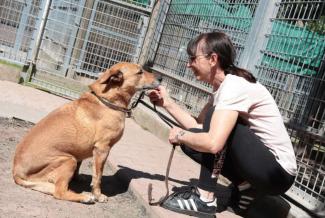
Once your application has been pre-validated, it's time for the meeting.
Take the time to observe and interact with several dogs. The staff will guide you towards the ones whose personality best matches your profile.
It is recommended to make several visits to create a bond before the final adoption. Many shelters actually require this.
Administrative formalities that you will need to provide:
- A valid form of identification.
- Proof of residence less than 3 months old.
- Proof of income (often).
- Commitment certificate signed 7 days earlier.
- Signing an adoption contract.
- Payment of adoption fees.
4 – Ask as many questions as possible about the dog's personality
It's not enough to fall in love with a dog or feel sorry for him/her to adopt a dog. It is important to choose the right dog for you, and the right owner for him. Once you have made a connexion with a specific dog at the shelter, for the adoption to work, you must ask the right questions to avoid returning him or her to the shelter, which would be traumatic for him or her.
So, don't hesitate to ask the staff or volunteers for information.
Here are some examples of helpful questions:
- Does he get along with other dogs, and also with cats (if you have any or plan on having any)?
- Is he good with children?
- Will the dog need a lot of exercise? If so, aside from walking him, in which different ways can I exercise this dog?
- Can he be left alone? If so, can he be left alone all day while I work?
- Is he destructive?
- Is he calm or nervous?
- Does he require any special care? (Grooming, special attention)
- Does he have any illnesses?
- Is he socialised?
Take every precaution to adopt a dog that suits your lifestyle, but also your personality.
Also arrange to spend as much time with the chosen dog as possible before bringing him home. Ask if you can take him for walks at or around the shelter, ask if you can have a quiet space at the shelter to spend time bonding with him through cuddles and play.

If you have other dogs, ask if you can bring them along to the shelter to meet the dog you wish to adopt, to see how they get on, and to get them to know each other in a neutral space.
5 – Preparing your home
Before bringing your new dog home, take the time to prepare your home for his arrival. Buy a comfortable basket or cushion for him, that will be placed in a quiet part of the house, where he can go to if he wants some peace, with his food and drink bowls nearby.
Ensure anything harmful (such as dangerous products, cables, toxic plants, etc) are put out of reach of the dog. Check that your garden is properly fenced off, without any holes through the fence through which the dog could escape.
A leash and collar with identification tag will of course be needed for walks, and dog toys and treats will help make your new dog more settled, and rewarded for good behaviour.
If you have children, it is a good idea to talk to them about how to behave with the dog, and how to respect him.

6 – Welcoming a dog from a shelter into your home
Before adopting a dog, the first thing to do is build a relationship with him as explained above, and work at strengthening the bond with your dog; he must have complete trust in you so that he feels safe with you in his new environment. Therefore, you must be aware that he may need time to get used to you.
Let him explore his environment, but try not to interfere too much.
If the family is large, introduce them gradually, so as to not overwhelm the dog.
If you have cats, let them get to know each other over time, always supervise and be patient.
Be as reassuring as possible for him, remaining calm and composed.
If you're worried about him urinating indoors, take him out at regular intervals and reward him when he urinates outdoors.
Be aware that your new dog may mess indoors at first.
If a behaviour bothers you, you have three options to address it:
- Distract him (with a toy, a treat, or by moving away).
- Ignore him (don't look at him, touch him, or speak to him).
- Isolate him (either in another room or outside) until he calms down.
Don't hesitate to seek advice from a professional dog trainer or behaviourist. You'll also find plenty of information on the RSPCA website.
A first visit the vet's is also important, to ensure he is well and healthy. If your dog is afraid of the vet, try and visit the same vet the shelter used. This will bring familiarity and reassurance to your dog.
You may also want to read our advice on calming an anxious dog, and you can always call Dogs Stroll Day Care Center for further advice.
In conclusion
Despite these challenges, the rewards of shelter adoption are immense. The gratitude and unconditional love of a dog to whom you have given a second chance are feelings beyond compare.